




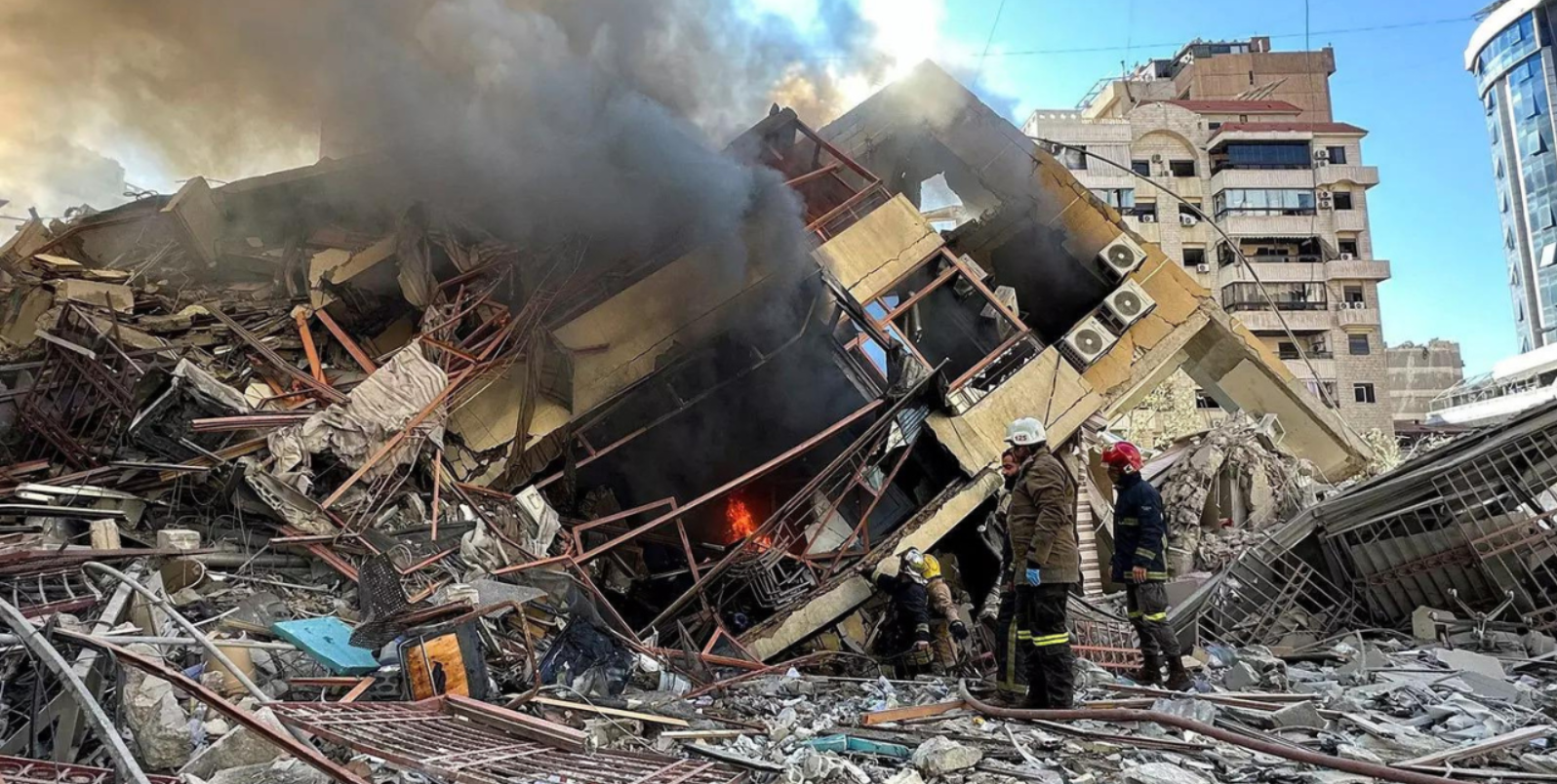
Things seem really shaky in the world economy these days. All this stuff going on in the Middle East is making everything tense, and its spilling over into markets and what people in charge are saying.
I think the IMF and World Bank meetings are next, and they usually talk about getting back on track, you know, with some positive vibes. But now, it feels like the geopolitical problems will dominate, and how they throw economies off balance.
Energy supplies could get messed up if the conflicts keep going. Oil prices are already bouncing up and down a little from that. Countries like India feel it bad because they bring in so much energy from outside.
Supply chains might break too, and that could push inflation higher right when everyone wants to hold prices down. Economists are warning that growth will probably slow in the coming months.
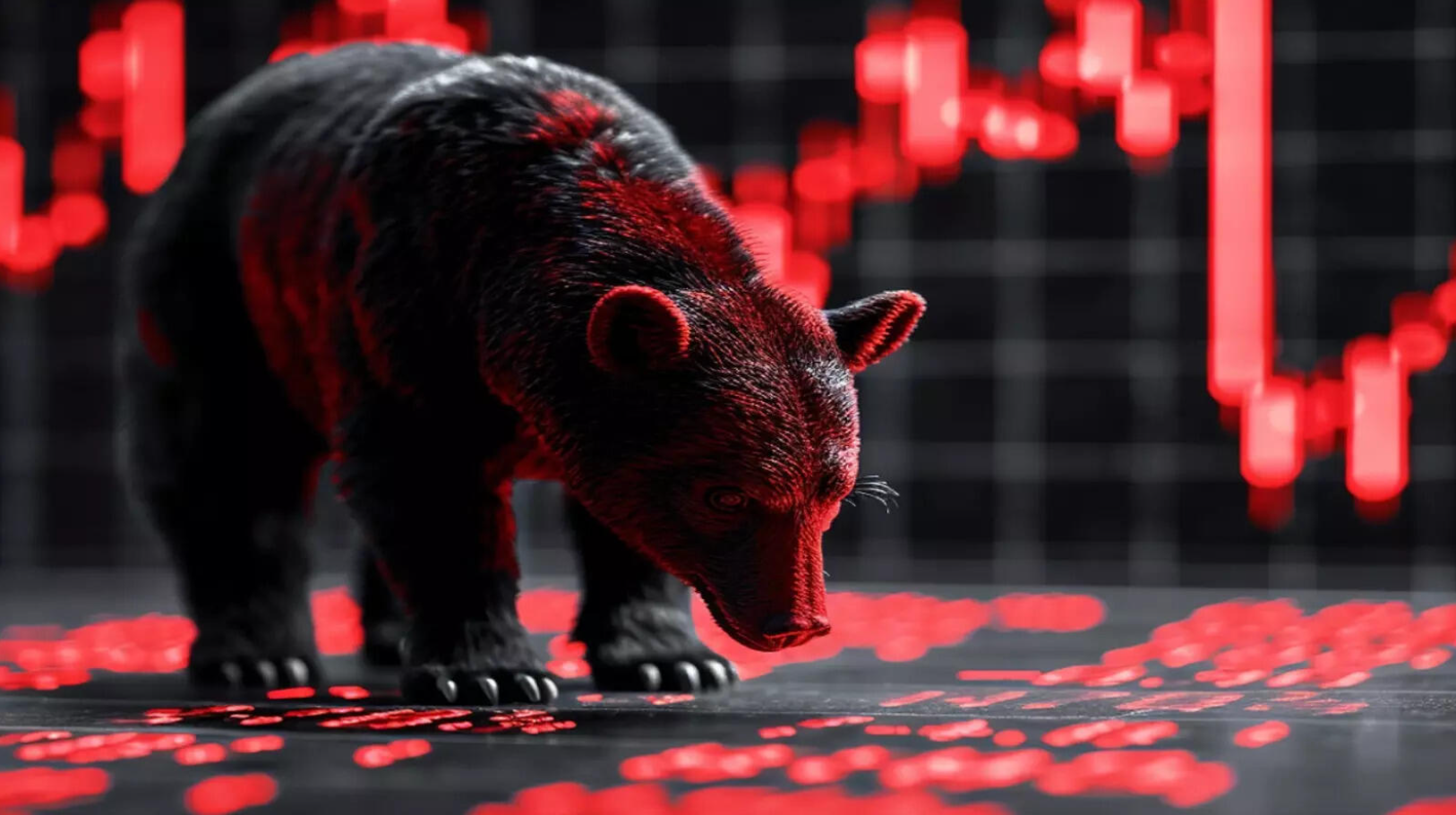
Even with some places recovering, businesses might not want to grow much under all this uncertainty. Investors go for safe options, and people feel less sure about spending, which drags things slower. Its like taking a step back, I guess.
Central banks have been dealing with inflation for a while now. When energy and shipping costs rise, everyday prices go up too, and its hard to keep control. Policymakers try to help growth without prices running away again.
For places like emerging markets, its tougher. Currencies weaken, money leaves, and imports cost more, squeezing budgets that are already stretched. Some do not have wiggle room, so shocks from outside hurt extra.
The meetings might not feel as hopeful this time. They could talk about managing risks, teaming up worldwide, and what if plans for supply issues or money troubles in this messy situation. Maybe they will review old ways of handling things.
Over the past ten years, these groups have improved at crises, sort of. Big countries working together makes a difference. But it all hinges on whether the tensions ease up soon.
Businesses and investors have to be prepared, obviously. With uncertainty back in focus, getting ready counts more than ever.